

Watching a dog grow from a tiny puppy into a full-grown companion is truly a remarkable experience. Each stage of their development comes with its own set of milestones that not only reflect their physical growth but also their emotional and social development. Understanding these age milestones can help dog owners provide the right support and care at each stage, ensuring a happy and healthy life for their furry friends.
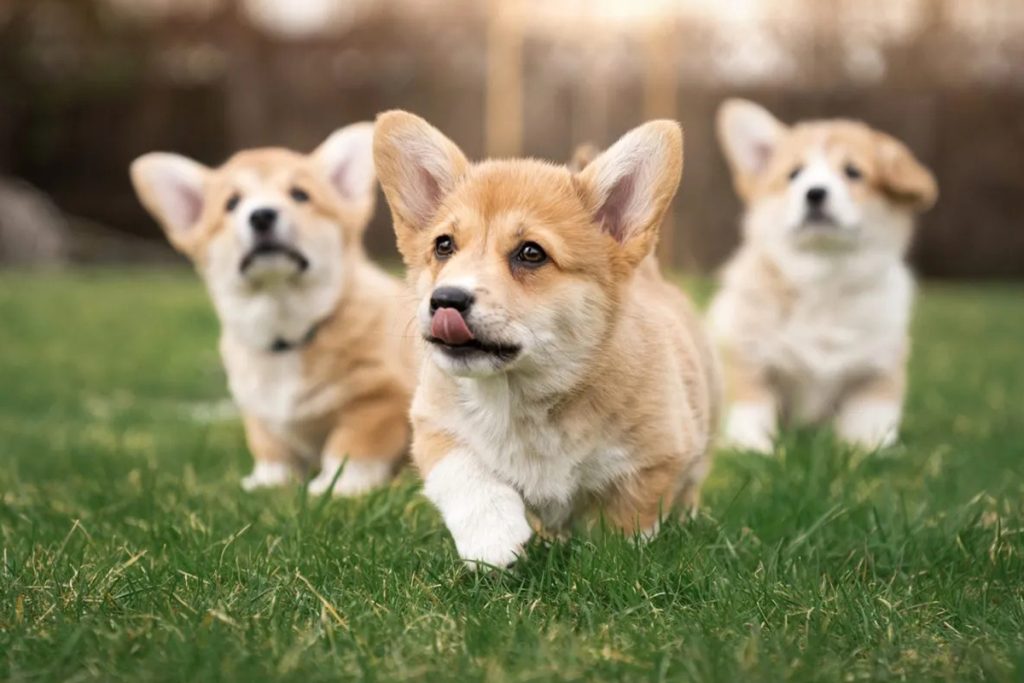
Puppyhood is often the most adorable and chaotic phase. From around eight weeks to six months, puppies are like little sponges, soaking up everything around them. This is the perfect time for socialization, which is crucial for their development. Introducing them to different environments, people, and other animals helps them become well-adjusted adults. Training sessions during this stage should be fun and engaging, focusing on basic commands and house training. Positive reinforcement works wonders, creating a bond between the puppy and their owner while teaching essential behaviors.
As they transition into adolescence, typically between six months and two years, things can get a bit tricky. This is when many dogs start to test boundaries, and their personalities really begin to shine. Owners might notice a surge in energy and a bit of rebellious behavior. Consistent training remains important during this phase. This is also the time to establish routines and set clear expectations, which can help manage their energy levels and reduce unwanted behaviors. Engaging in activities like agility training or obedience classes can channel their youthful exuberance into something constructive.
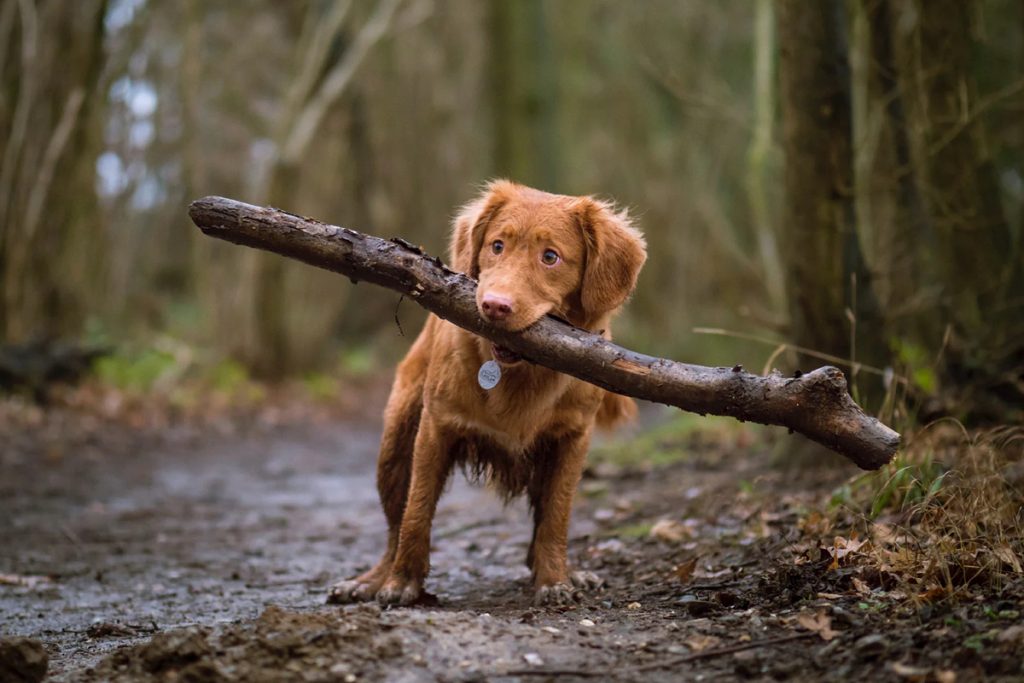
Once dogs reach adulthood, which varies by breed but generally happens around two to three years, they start to settle down. This stage often brings a sense of calm and maturity. Owners might notice their dogs becoming more independent yet still craving companionship. Regular exercise and mental stimulation remain crucial, as adult dogs still need plenty of activities to keep them happy and healthy. This is a great time to explore new hobbies together, like hiking or swimming, strengthening the bond between owner and dog.
As dogs enter their senior years, typically around seven years and older, their needs change again. This stage can be bittersweet, as owners may notice physical changes like slower movements or changes in appetite. Regular veterinary check-ups become increasingly important to monitor their health. Providing a comfortable environment and adjusting their diet can help support their aging bodies. Senior dogs often appreciate a quieter lifestyle, so gentle walks and cozy cuddle sessions can be perfect for them.
Throughout these stages, being attentive to a dog’s changing needs is essential. Each milestone brings unique challenges and joys, but the love and companionship they offer remain constant. Celebrating each phase, whether it’s the playful antics of a puppy or the wise demeanor of a senior dog, enriches the relationship between owners and their furry friends. Embracing these age milestones not only enhances the dog’s quality of life but also creates cherished memories that last a lifetime.