

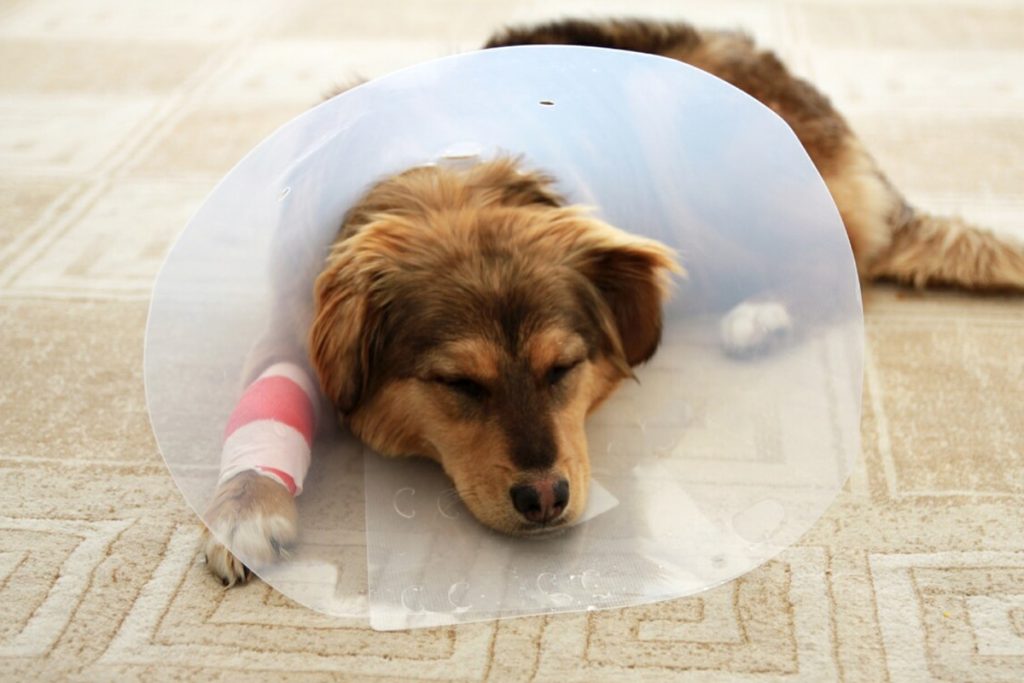
Caring for a sick dog can be a challenging experience, but knowing how to navigate this time can make all the difference. When your furry friend is unwell, their comfort and well-being become your top priority. Keeping a detailed recovery log can help track their progress and ensure they receive the best care possible.
It’s essential to create a comfortable space for your dog. This area should be quiet and free from distractions, allowing them to rest and heal. Soft bedding and familiar toys can provide comfort. Keeping their favorite blanket nearby can help them feel secure. Dogs often seek solace in familiar surroundings, so having their essentials close by can ease their anxiety.
Monitoring your dog’s symptoms is crucial. Keeping a daily log of their behavior, appetite, and any changes in their condition can provide valuable insights. This information can be especially helpful during vet visits, as it helps the veterinarian assess your dog’s progress. Note any medications given, including dosages and times, to ensure consistency in their treatment.
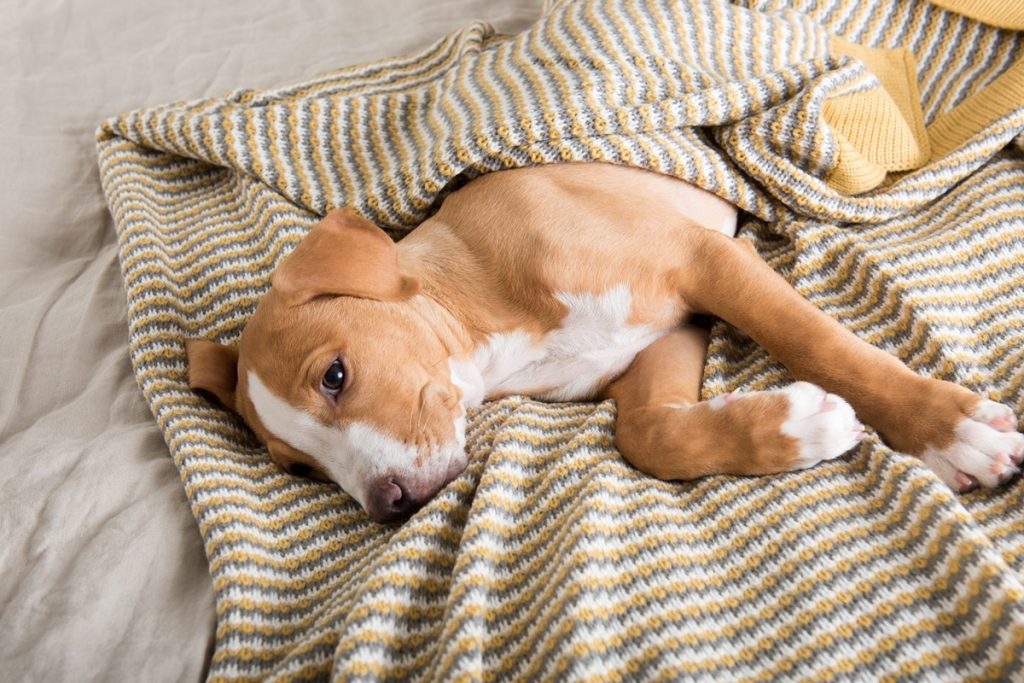
Hydration is another vital aspect of recovery. Encourage your dog to drink water regularly. Sometimes, adding a splash of low-sodium broth can entice them to drink more. Keeping a bowl of fresh water nearby at all times is essential. If your dog seems reluctant to drink, you can try offering ice cubes or ice chips, which some dogs find more appealing.
Nutrition plays a significant role in recovery as well. Depending on your dog’s condition, their appetite may wane. Consulting with your vet about appropriate dietary options can help. Sometimes, bland foods like boiled chicken and rice are recommended. Offering small, frequent meals can also be more manageable for a sick dog. Keeping track of what they eat and their reactions can help you adjust their diet as needed.
Providing gentle exercise is important too. While your dog may not be up for their usual walks, short, leisurely strolls can help maintain their spirits. Gradually increasing their activity as they improve is key. Always pay attention to their energy levels and adjust accordingly. Some dogs may need more encouragement than others, so be patient and understanding.
Regular vet check-ups during this time are essential. Following your vet’s recommendations and keeping them informed of any changes in your dog’s condition can lead to better outcomes. It’s also helpful to have a list of questions prepared for each visit, ensuring you don’t forget anything important.
Emotional support is just as crucial as physical care. Spending quality time with your dog can help them feel loved and secure. Gentle petting, soothing words, and quiet companionship can make a significant difference in their recovery process. Dogs are incredibly intuitive and often respond positively to their owner’s presence.
Caring for a sick dog requires dedication and attention, but the bond you strengthen during this time can be invaluable. By keeping a detailed log and providing a nurturing environment, you’re taking proactive steps to support your furry friend’s recovery journey. Your love and care will shine through, helping them heal and return to their playful selves.