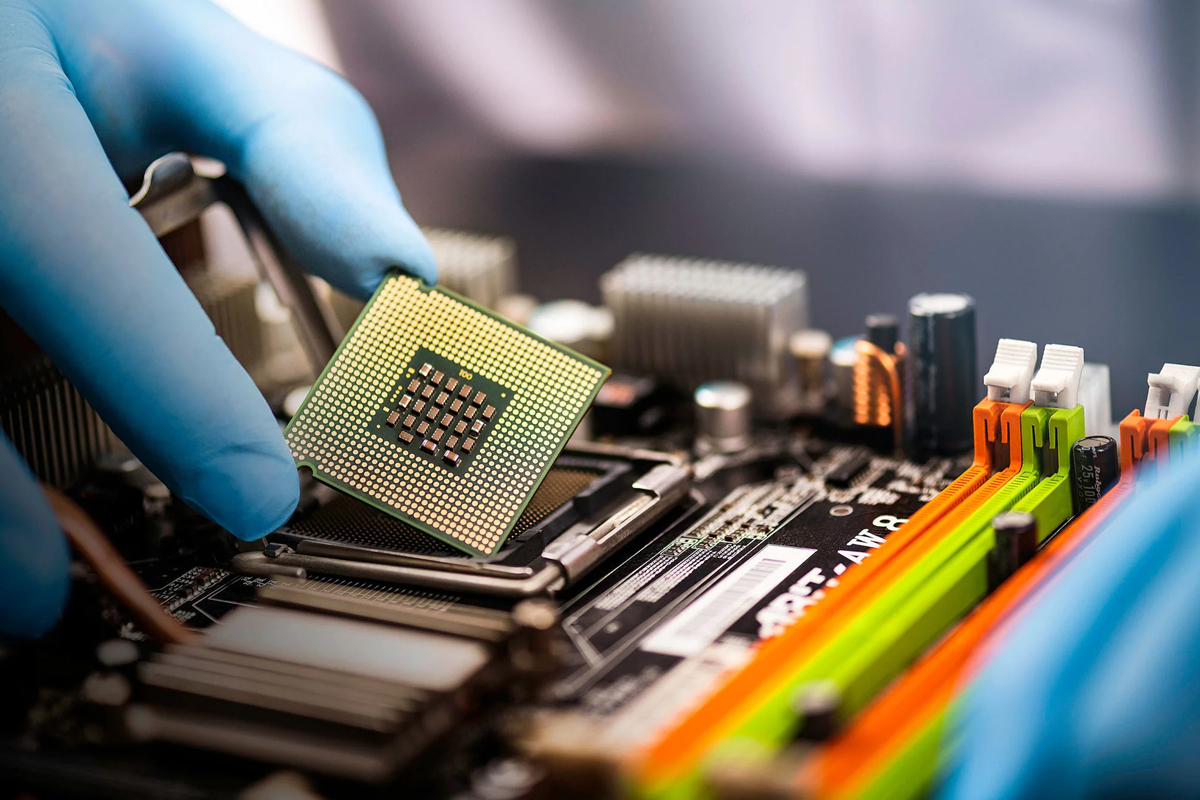
The automotive industry has faced significant challenges in recent years, largely due to chip shortages that have disrupted production and affected vehicle availability. These shortages stem from a combination of factors, including increased demand for electronics, supply chain disruptions caused by global events, and the complexities of semiconductor manufacturing.
One major risk posed by chip shortages is the impact on vehicle production timelines. Many manufacturers rely on a steady supply of semiconductors to produce everything from engine control units to infotainment systems. When chip supplies dwindle, production lines can come to a halt, leading to delays in new vehicle releases and longer wait times for consumers. This not only frustrates potential buyers but can also lead to lost sales for manufacturers, affecting their bottom line.
Another aspect to consider is the potential for increased vehicle prices. With demand outpacing supply, prices for new and used vehicles have surged. Consumers may find themselves paying more than expected, and some models may become hard to find altogether. This situation creates a ripple effect, as higher prices can also affect the resale market, making it difficult for people looking to trade in or sell their vehicles.

Manufacturers are taking various steps to mitigate these risks. Many are diversifying their supply chains, seeking new partnerships with semiconductor producers, and investing in domestic manufacturing capabilities. This shift aims to reduce reliance on a few key suppliers and create a more resilient supply chain. However, these changes take time and may not yield immediate results.
For consumers, staying informed is essential. Understanding the current market conditions can help you make better decisions about purchasing a vehicle. If you’re considering buying a new car, it might be wise to act sooner rather than later, as prices could continue to rise. Additionally, exploring alternative options, such as certified pre-owned vehicles, can provide a more affordable path to vehicle ownership while waiting for the market to stabilize.
Another tip for consumers is to be flexible with your choices. If you’re open to different makes and models, you may find it easier to secure a vehicle. Some manufacturers may have more readily available inventory than others, so being adaptable can help you avoid long wait times.
In the long run, the automotive industry is likely to evolve in response to these challenges. The push for electric vehicles and advanced technologies will continue to drive demand for semiconductors, making it essential for manufacturers to adapt their strategies. As the industry navigates these changes, consumers can expect ongoing fluctuations in vehicle availability and pricing.
Understanding the risks associated with chip shortages in the automotive supply chain is vital for anyone involved in the market. By staying informed and being proactive, both consumers and manufacturers can better navigate the complexities of this evolving landscape. The road ahead may be bumpy, but awareness and adaptability can make a significant difference in how individuals approach vehicle purchasing and production strategies.