


Getting into a car accident can be a jarring experience, and dealing with the aftermath often feels overwhelming. One crucial aspect that can make the process smoother is understanding the auto accident damage assessment process. Knowing what to expect can help you navigate the claims more effectively and ensure you receive fair compensation for your losses.
The first step in this journey is reporting the accident to your insurance company. It’s best to do this right after the incident. Most insurance policies require you to report accidents within a specific time frame, and waiting too long can complicate your claim. When you reach out to your insurer, be prepared to share important details like when and where the accident occurred, as well as a brief description of what happened. Having this information organized can make the process quicker and easier for everyone involved.
Once you report the accident, an insurance adjuster will be assigned to your case. This person plays a vital role in assessing the damages and determining how much compensation you might receive. The adjuster will contact you to gather more information and may arrange to inspect your vehicle. Being honest and thorough during these conversations is essential. The more accurate the information you provide, the better the adjuster can evaluate your claim. They may also reach out to witnesses or check police reports to piece together a complete picture of the incident.
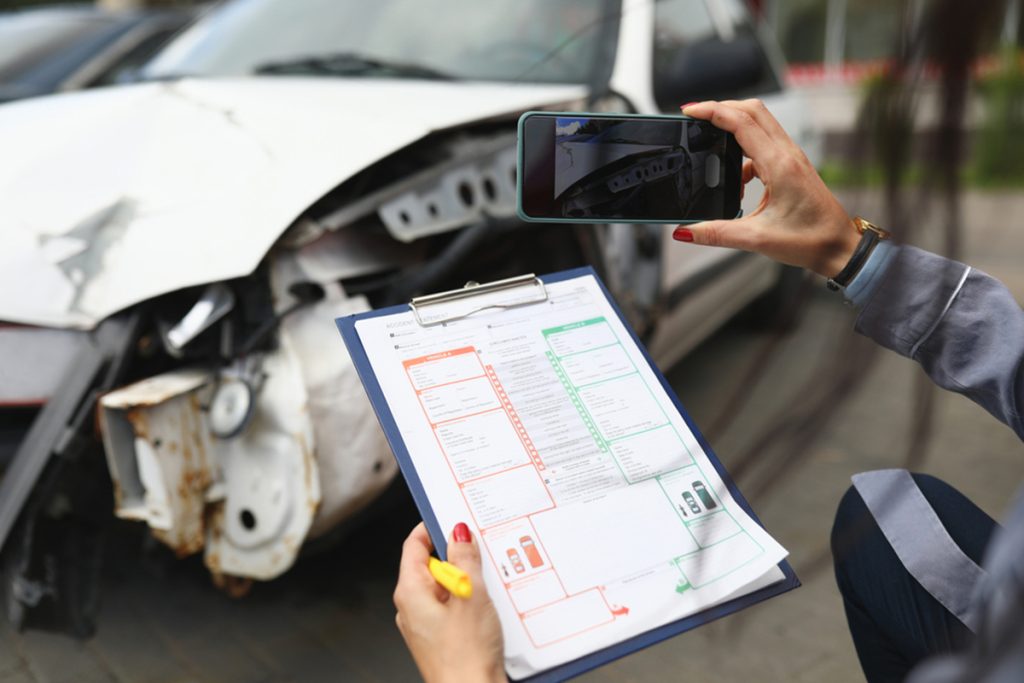
After gathering all the necessary information, the adjuster will evaluate the damages. This often involves reviewing repair estimates, medical bills, and any other relevant documents. Understanding how your car’s value is calculated can be helpful. Insurance companies typically have guidelines they follow to assess repair costs and the overall value of your vehicle. Familiarizing yourself with this can prepare you for the settlement offer that comes next.
When the adjuster presents a settlement offer, it may not always meet your expectations. Initial offers can often be lower than anticipated, which is where negotiation comes into play. It’s important to be ready to discuss the details and advocate for yourself. Gather all supporting documents, such as repair estimates and medical expenses, to strengthen your position. Knowing what you believe is fair compensation can help you during these discussions.
Once you and the insurance company agree on a settlement, the next step is to finalize the paperwork. This usually involves signing forms and providing any additional documentation requested by the insurer. Take the time to read everything carefully before signing. Understanding the terms and conditions is crucial to ensure you’re comfortable with the settlement. After everything is in order, the insurance company will process your claim and issue payment.
Throughout this process, maintaining open communication with your adjuster is important. A good relationship can help resolve any issues that arise quickly. Don’t hesitate to ask questions or seek clarification on parts of the process that seem unclear. Knowing your rights and responsibilities can empower you during this challenging time.
Being familiar with the auto accident damage assessment process can alleviate some of the stress that comes with an accident. Knowing what to expect at each step allows you to handle the complexities of filing a claim more effectively. Taking the time to understand this process can lead to a more manageable experience when dealing with the aftermath of a car accident.